
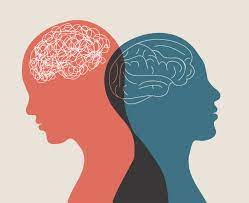
It’s easy to hold on to pain because it feels like home but your trauma isn’t who you are. It’s something that happened to you. Healing begins when you stop labelling yourself by what broke you and start naming what you’re rebuilding.
Maybe, over the years, you’ve built walls in response to that pain. Those walls once helped you survive. But now, they might be keeping you from healing. The truth is, not knowing how to love without referencing your pain, or replaying what went wrong is often a sign that you’ve sat in that hurt for too long. It’s become your language.
Yes, it might have protected you for a while. After some time, those same walls start choking you. I’m writing this so you can begin to move from simply surviving every day to actually enjoying your life.
Understanding Trauma Responses
A trauma response is your body’s automatic reaction to perceived danger. Your brain acts before you can think. It’s your body’s way of asking, “Am I safe?”
Trauma hides behind what seems normal. You might over-apologise, avoid new opportunities, feel emotionally detached, or overreact to small issues. If any of this sounds like you, it’s okay. It just means your body learned to protect itself that way. Noticing these habits is your first step to healing.
Let’s take a look at the top classes of trauma response.
- Fight: confrontation, anger, control (for example, snapping at someone or being defensive).
- Flight: avoidance or escape (withdrawing, overworking, staying too busy).
- Freeze: numbness or shutdown (zoning out, procrastinating).
- Fawn: people-pleasing (always saying yes to avoid rejection).
Science even backs this up. Trauma affects the brain in real, physical ways. The amygdala (the fear center) becomes overactive, the hippocampus (which handles memory) shrinks, and the prefrontal cortex (responsible for logical thinking) weakens. That’s why your emotions can feel uncontrollable because they’re being driven by survival instincts.
How Trauma Affects You
Emotionally, it can show up as anxiety, hypervigilance, or numbness. Physically, you might notice fatigue, headaches, chest tightness, or sleep problems.
When trauma isn’t processed, your body stays stuck in “fight-or-flight” mode, constantly producing stress hormones like cortisol. Over time, this weakens your immune system. A 2023 study by the American Psychological Association found that people with untreated trauma are twice as likely to develop depression or anxiety disorders.
And honestly, that makes sense. There’s just so much you’ve bottled up that it starts spilling out. Things that should’ve cycled out of your system get stuck, and one day, it feels like you just explode.
How to Start Healing
Now, after acknowledging what had happened and the patterns we just discussed. There are habits you can cultivate to help you become yourself again.
- Recognise and name your response. Instead of saying “I’m lazy,” try saying “I’m in freeze mode.” Naming it helps separate you from the reaction.
- Ground yourself in the present. Deep breathing, journaling, or short mindfulness moments remind your body that the danger has passed.
- Reflect. Write about what triggers you and how you feel. It helps you connect patterns and bring clarity.
- Seek professional help. Therapies like CBT or EMDR can help you reprocess trauma safely. Asking for help is courageous.
- Rebuild safety through consistency. Try as much as possible not to isolate. Keep a stable routine and connect with supportive people.
- Practice self-compassion. Healing takes time. Be patient with yourself when you slip.
So yes, healing is possible, even for you. You may have learned to survive, but now it’s time to live.
Your trauma may have shaped your story, but you still hold the pen. The brain is capable of rewiring itself through connection, positive habits, and care. So even biologically, healing is possible.
You can honour your past without living in it. So yes, I’m talking to you. Don’t sit in that pain anymore. Step into new territory. It’s scary, but your peace, your joy, and your whole life are waiting on the other side of that wall. It may be hard, but if the hard road leads to healing, then it’s worth it.
You’ve survived long enough. Now, it’s time to be free.
By Mosimiloluwa