
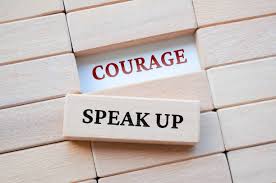
In a world where silence is often praised as strength, too many men are dying quietly inside. Vulnerability is not a given in male spaces, yet it could save relationships, families, and even lives. We live in a society where many men believe their silence protects those they love. Ingrained by tradition and passed down through generations, this pattern makes men more likely to be silent than expressive about matters that touch the people they care about.
Wednesday, 19th November 2025, was another International Men’s Day, and at Campus Cares, we remain at the forefront of men’s mental health. What a chance to remind every man that speaking out has more benefits than dying in silence. The people you’re trying to protect often have the capacity to bear whatever news you’re keeping inside.
Society tells you you’re not a “real man” if you shed a tear or show fear. So many men wear a camouflage of bravery while inside they are crushed by the weight of responsibility. It’s painful that even the people you look up to will say, “Wipe those tears! You’re a man! Be a man!” Over time, that social conditioning teaches men to carry pain alone; to believe that real men don’t complain.
Every day, as a young boy or man, you feel the pressure to be the breadwinner. You learn to see yourself as someone with immense responsibilities, and even as they weigh you down, you stand unflinching though inside you may be crumbling. Society rarely validates men’s feelings, and you may not even see the need to embrace a moment of vulnerability.
But bottling up emotions does more harm than good. A man who suppresses his feelings can become depressed, anxious, aggressive, and may even entertain thoughts of suicide. Some appear functional on the outside while inside a lot of unhealthy damage is occurring. The evidence is real: men account for over 80% of suicide cases in Nigeria, and a major reason is that many have been taught to avoid asking for help — a skill women often wield more readily. Beyond suicide, many men struggle with substance abuse, alcoholism, and related problems.
A young man under mental strain can become a distant father or husband; because his pain is silent, his family may not even know he’s suffering. But how can a man who has not been led to lead, or who is not protected, be expected to protect others?
True strength lies in being open about what you feel. Being honest about your struggles doesn’t create chaos; it brings help. A husband who says, “I’ve been feeling down,” allows his wife to listen and support him instead of leaving her guessing or blaming herself. A brother who talks about stress can find relief in siblings’ advice instead of turning to destructive habits. By speaking up, men actually protect loved ones: they prevent misunderstandings and show their families that it’s okay to ask for help when they need it too.
What should you do instead of being silent?
- Talk to someone you trust. Saying even a little out loud can break the cycle of silence and you’ll likely find others are relieved to listen.
- Build or join a strong community of mentally aware and supportive men you can turn to in dark, windy times.
- Seek professional help. Therapy is a human need and mental health professionals are trained to listen and help you cope.
- Redefine what true strength means. Try expressing one feeling today that you might usually keep inside and practice listening when others share feelings too.
Remember: you have the right to support, understanding, and health. By breaking the silence, you protect yourself and everyone you care about — that is the real meaning of strength.
by Princess Nwaobi