
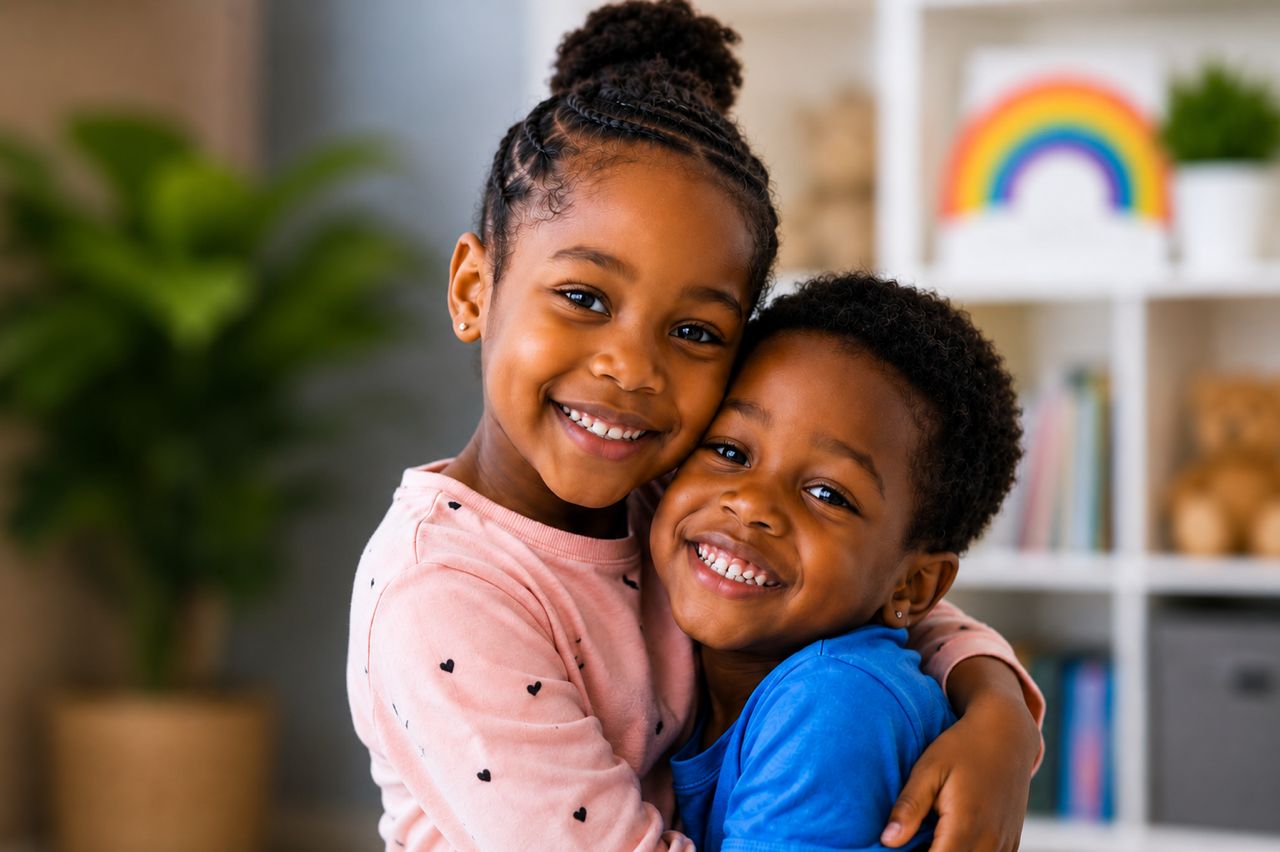
We keep saying children are the future, but the future is built in the present. This is about what it actually felt like to be a child and what we owe the ones still finding out.
Something from your childhood shaped who you are, and you know exactly what it is. Maybe it was the teacher who called on you to read aloud, then laughed when you stumbled, while the class chimed in like backup singers. Or perhaps it was Christmas when your family pretended everything was fine, and even at eight years old, you already knew how to perform happiness.
Kids absorb everything. Every environment leaves its mark: the classroom, the backseat of the danfo, the kitchen where adults whispered, “Go outside, this isn’t for children,” and then, we became tiny FBI agents with built-in hearing aids. Children notice everything, even the things adults think they’re hiding. Today is Children’s Day, and it’s tempting to just post balloons and write “leaders of tomorrow,” then move on.
However, children deserve adults who’ve truly reckoned with what childhood does to a person because that reckoning shapes how we treat them.
44% of Nigeria’s population is under 18, about half the country is currently learning what the world is and whether they belong in it.
How We Were Raised
There’s a version of African parenting that revolves almost entirely around toughness and, oddly enough, it often stems from love. A generation that weathered fuel queues, school strikes, structural adjustments, and a currency that seemed just as stressed didn’t enter parenthood with much space for softness. They gave what they had.
Many of us became resilient and resourceful because of it. Yet, we still argue that parenting should also leave room for emotional expression. Dismissing a child’s feelings often cuts short conversations that need more space to breathe.
“It is easier to build strong children than to repair broken adults.”
— Frederick Douglass
Half of all mental health conditions begin before age 14. Most don’t arrive with warning. The anxious adult who freezes when someone raises their voice and that friend who has never asked for help even when they clearly needed it did not become that way in adulthood. There is a ten-year-old version of them who needed a different response and did not get it.
A Typical Class Setting
3 out of 4 bullying incidents in Nigerian schools happen in the few minutes after the teacher leaves the classroom. Everybody knows those minutes. The noise rises instantly. Somebody becomes entertainment. Another laughs too loudly because they are relieved it is not them this time.
1 in 3 Nigerian children aged 12–17 have been bullied
75% of school bullying happens the moment the teacher steps out
The child being bullied usually does not report it when the teacher returns. They carry it instead unless there’s an adult to listen.
The student may have quietly rewritten their relationship with public speaking forever. The uncle whose jokes always landed at a child’s expense got his laughs and moved on. The child learned that visibility could quickly become dangerous.
Children remember emotionally. Adults are often more memorable than they realise.
Childhood Is Actually Incredible
A child can lose a football match, cry real tears like rent is due tomorrow, then return outside thirty minutes later completely restored. Adults lose one argument at 2pm on Monday and replay it in the shower until Thursday.
Children make best friends in one afternoon. They ask deeply existential questions immediately after eating biscuits. They find wonder in things adults stopped noticing years ago. That elasticity is brilliance.
Before the world teaches children to shrink themselves, they are naturally curious, loud, emotionally honest, and wildly hopeful.
This year’s theme is Future Now: Promoting Inclusion for Every Nigerian Child. Inclusion sounds like a policy word until you bring it home. It is the quiet child being noticed or a dinner table where a child can be expressive without hearing, “After all we are doing for you?”
Most people can trace their childhood back to one adult who made them feel safe. Children carry those people for years, and thankfully, they also carry kindness.
Check on a child today.
Listen properly when they speak. Apologise when necessary. Notice the quiet one, too. Then ask yourself one uncomfortable question: What did the child version of you need that nobody noticed?
Happy Children’s Day.
By Mosimiloluwa.
Darby4053
June 2, 2026https://shorturl.fm/6DOyJ