
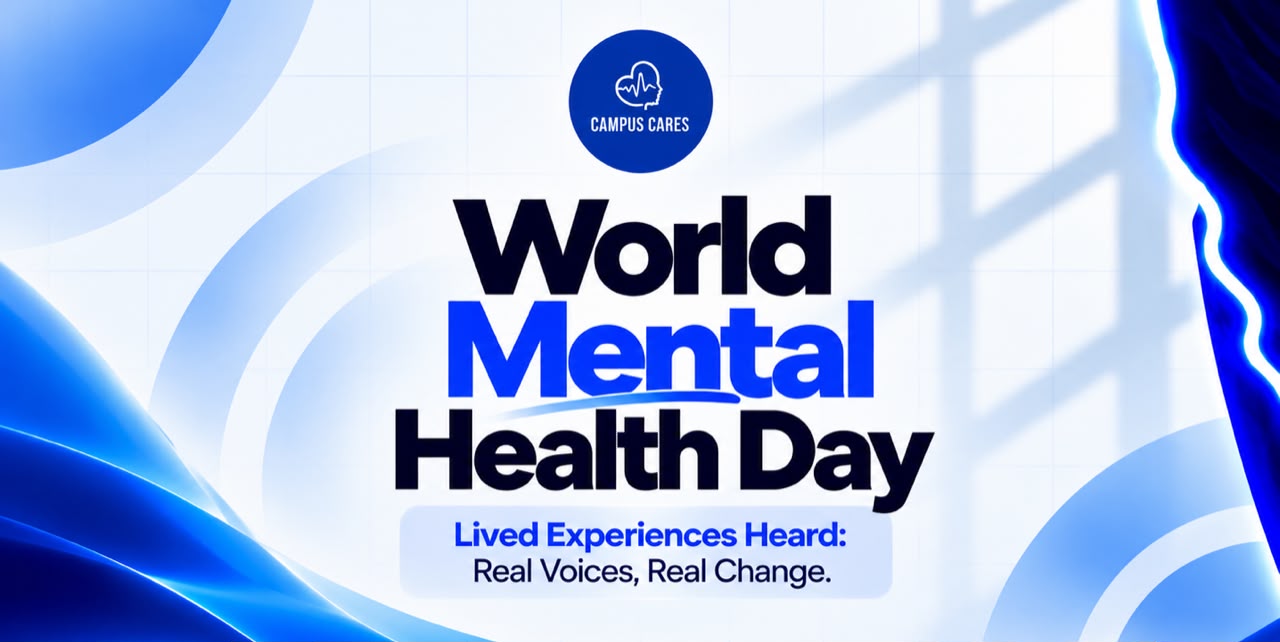
We are always telling people to speak up about their mental health. Fair enough, but when someone finally does, do we really listen?
Telling someone to open up is easy. Making them feel safe enough to be honest takes more work, especially when opening up means risking dismissal, unsolicited advice, or a conversation that somehow becomes a competition over who has suffered more.
People can leave these conversations feeling worse for having said anything at all. Then we wonder why they keep things to themselves.
This World Mental Health Day, the theme is Lived experiences heard: real voices, real change. It reminds us that mental health conversations should go beyond encouraging people to share their stories. We also need to take those stories seriously and allow them to influence the support people receive.
So, what does listening well actually look like? To understand that, you must first get a glimpse into what inactive listening looks like.
Dismissal Teaches People to Edit Themselves
You know how someone opens up about something difficult, and the response is a reminder of how much worse things could be? The intention might be good, but the effect is another story.
In psychology, emotional invalidation refers to responses that dismiss, minimise, or treat someone’s feelings as unreasonable. A student struggling with academic pressure, for instance, might be told to appreciate the opportunity to be in school.
When people repeatedly feel dismissed, they start to hide their struggles or question whether their feelings deserve attention. A more supportive response starts with curiosity. Let people explain what they are experiencing before you offer your perspective, even when you see the situation differently.
The One-upping Mistake
Sharing a similar experience can help someone feel understood, but it becomes less helpful when their story gets pushed aside to make room for yours. They came to you hoping to be heard, not to defend why their experience deserves attention.
This is where active listening matters. Instead of preparing your response while someone is speaking, paying attention to what they are saying, ask questions when something is unclear and allow them to finish their thoughts.
Listening also means resisting the urge to fix everything immediately. When someone opens up, ask what kind of support they need instead of assuming you already know. They might want advice, need help thinking through a problem, or simply the space to get their feelings out.
The most helpful thing you might do is give someone the space to explain their experience without making the conversation about yourself.
Listening Should Lead Somewhere
The 2026 theme, Lived experiences heard: real voices, real change, challenges schools, workplaces, communities, and mental health organisations to involve people with lived experience in decisions affecting them. Their experiences offer insight into what existing support gets wrong, what makes seeking help difficult and what needs to change.
The World Health Organization’s Mental Health Atlas 2024 found that 45% of responding countries reported ongoing collaboration with people with lived experience and advocacy groups in planning, delivering, or monitoring mental health services. This points to a gap between hearing people’s stories and giving them a meaningful role in shaping services.
On campus, this means involving students with lived experience when designing mental health programmes, reviewing referral processes, and deciding what support students need. Their contributions should influence how these programmes work. This is meaningful engagement.
Meaningful listening also means respecting people’s privacy and their right to choose what they share. If we invite people to speak, we must be willing to learn from what they say and respond when something needs to change. Otherwise, we are giving people a microphone without giving their words any weight.
So, What Happens After We Listen?
We will not always know the perfect thing to say, and we will sometimes misunderstand what someone is trying to tell us. What matters is our willingness to listen, learn, and respond with care.
Start with the conversations around you. Do people feel safe asking you for help, or are they likely to receive a lecture before they finish explaining? When someone tells you what they need, do you take it seriously, even when their experience differs from yours?
These questions matter because listening is much more about what happens afterwards, whether we follow up, offer appropriate support, or make changes based on what we have heard.
This World Mental Health Day, let us do more than tell people to speak up. Let us build friendships, schools, workplaces, and communities where people can be honest without fearing dismissal, judgement, or competition. Being heard should change more than the conversation. It should change what happens next.
So when next someone speaks up to you, what will you do with what you hear?